478 points can locate eyes, brows, nose, and cheeks. They still cannot see under the skin or name a condition.
The on-device tools find a face with a landmark model, then measure distances or sample color at those points. That is a real measurement. It is also a narrow one.
What you can measure in the browser
Eye spacing compares the gap between the inner corners with the width of one eye: /tools/eye-spacing. Nose width compares the nostrils with a relaxed mouth: /tools/nose-width. Brow height compares the gap above the lids with how open the eyes are: /tools/brow-height. Skin analysis samples cheek color for redness, evenness, shine, and texture: /tools/ai-skin-analysis.
The photo stays on the device. A face-model file downloads once so the points can be found.
What a point cannot do
It cannot tell a flush from rosacea. It cannot see sun damage that has not reached the surface. It cannot print a true age, and it should not rank a face. A front photo also flattens the side of the jaw, so profile notes are estimates.
If a mark is new, growing, or bleeding, that is a clinician, not a landmark. The longer explanation is at /ai-skin-scanner/what-a-face-landmark-measures.
Track Your Skin Metrics with AISkincare
Put this guide into practice. Get a 3-second clinical AI scan, build your custom AM/PM routine, and see measurable improvements.


BingoLabs Dermatology & AI Research Team
We build intelligent mobile healthcare and computer-vision algorithms dedicated to empowering personal skin health through science and habit consistency.
FAQ
Questions about this guide
What should I do after “What Face Landmarks Can Measure, and What They Miss”?
478 points can locate eyes, brows, nose, and cheeks. They still cannot see under the skin or name a condition. If you want that advice checked against your own skin, take a scan and compare it after a few weeks of one change, not five.
Does this article diagnose a condition?
No. “What Face Landmarks Can Measure, and What They Miss” is a cosmetic guide from the AISkincare team. Pain, a spreading rash, or a mark that is changing needs a clinician.
Where do the six scores mentioned here come from?
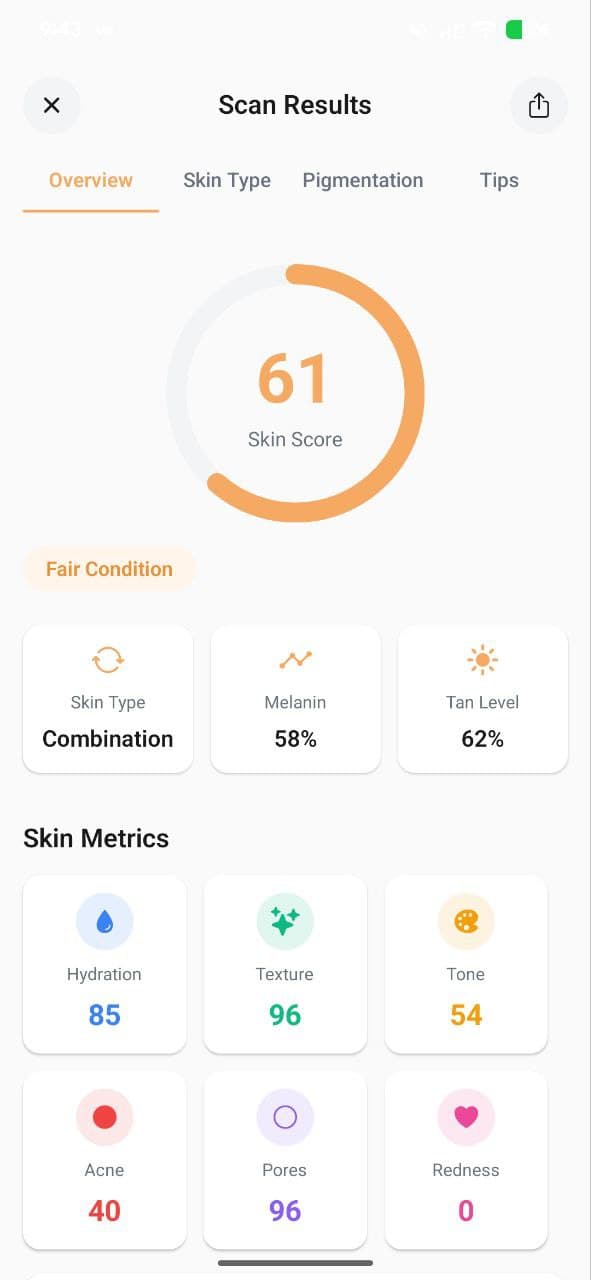
A selfie in the AISkincare app. The scan scores hydration, texture, tone, acne, pores, and redness. This article does not run that scan.
AISkincare for iOS and Android
Put this guide next to a scan you can reopen.
How-to advice is easier to judge when hydration, texture, or redness has a number. AISkincare stores that number. This page does not.
Keep going