A high redness score means the surface looks red in that photo. Several different conditions can look the same.
Heat, a workout, a spicy meal, a harsh acid, and a medical rash can all raise the red in a photo. The camera records the color. It does not name the cause.
What the number is for
Use it to compare two photos taken in the same light. If redness drops after you stop a stinging product and the light did not change, that is useful. If the only change was a warmer bulb, the number moved for the bulb.
The on-device analysis and the redness pattern check are cosmetic descriptions. The app can store the score. Storage is still not a diagnosis.
When to get it seen
Pain, spreading, blisters, eye involvement, or redness that does not settle after you remove the new product needs a clinician. So does a mark that is changing or bleeding. Read /skincare-education/when-redness-needs-a-clinician before you treat a score as clearance.
Track Your Skin Metrics with AISkincare
Put this guide into practice. Get a 3-second clinical AI scan, build your custom AM/PM routine, and see measurable improvements.


BingoLabs Dermatology & AI Research Team
We build intelligent mobile healthcare and computer-vision algorithms dedicated to empowering personal skin health through science and habit consistency.
FAQ
Questions about this guide
What should I do after “Redness on Camera Is Not a Diagnosis”?
A high redness score means the surface looks red in that photo. Several different conditions can look the same. If you want that advice checked against your own skin, take a scan and compare it after a few weeks of one change, not five.
Does this article diagnose a condition?
No. “Redness on Camera Is Not a Diagnosis” is a cosmetic guide from the AISkincare team. Pain, a spreading rash, or a mark that is changing needs a clinician.
Where do the six scores mentioned here come from?
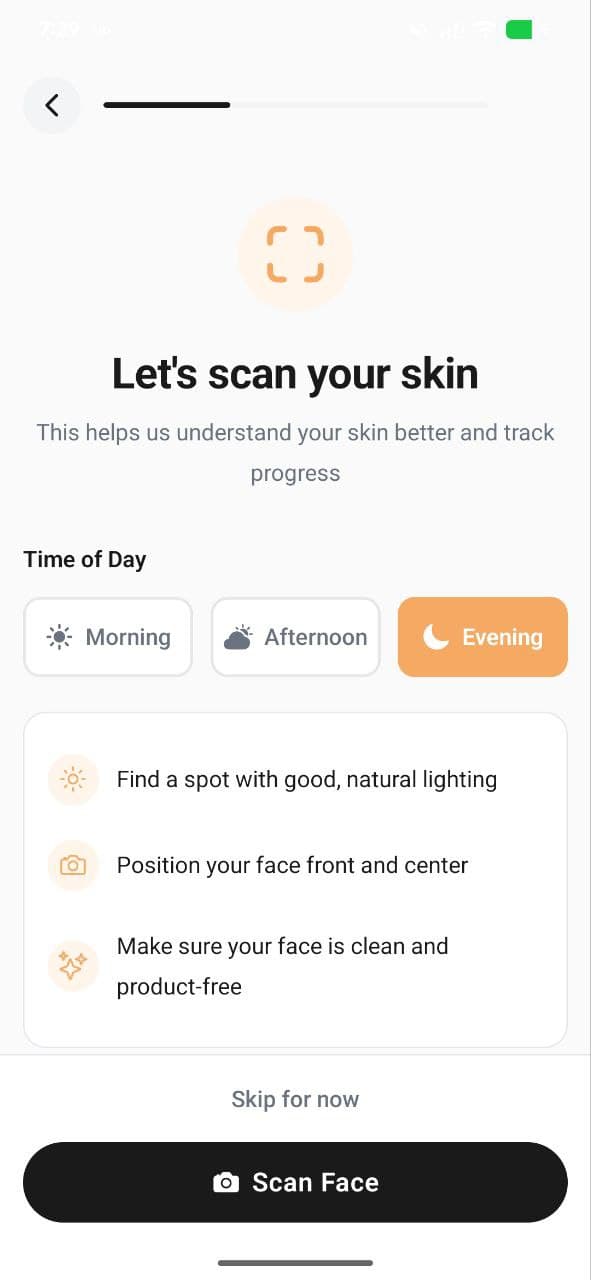
A selfie in the AISkincare app. The scan scores hydration, texture, tone, acne, pores, and redness. This article does not run that scan.
AISkincare for iOS and Android
Put this guide next to a scan you can reopen.
Skin concerns advice is easier to judge when hydration, texture, or redness has a number. AISkincare stores that number. This page does not.
Keep going